*Haz click en el enlace y encontrarás un resumen con las preguntas más importantes de todo el curso.
REVIEW QUESTIONS 3rd ESO
Emilito corriendo

Mostrando entradas con la etiqueta 3ºESO. Mostrar todas las entradas
Mostrando entradas con la etiqueta 3ºESO. Mostrar todas las entradas
domingo, 2 de junio de 2019

viernes, 23 de mayo de 2014
Basic rules of Korfball.
-This sport was invented in 1902 in Netherlands.
 |
| http://stockholmkorfball.se/wp-content/uploads/2012/05/korfball-shooting.jpg |
-It is a sport played whithin a rectangular field of play,40m x20m.
-The aim of the game is to score as many goals as possible.A goal is scored by shooting the ball into the opposite basket, called Korf.
-There are two teams of eight players divided into two divisions,two male and two female players per division.
-One division starts the game in attack, the other in defence.
-Whenever two goals are scored, all players swap divisions and roles.
-The three most important points are:
- No running with the ball
- No dribbling
- No deliberate physical contact.
-The playing time is divided into two 30 minute halves.
-In korfball, any player can shoot from anywhere within the attacking zone.
 | |||
| imagen tomada de::http://didcot.korfball.com/DDKC/images/about/korfba4.jpg |
- In Korfball, in normal play, players can hold the ball for an unlimited time, at the referee's discretion that the players are not wasting their time.
Korfball video
Enlace trabajo de korfball y unihockey:
miércoles, 21 de mayo de 2014
DEPORTES PARALÍMPICOS
Introducción a las paralimpiadas.
Haz click en el siguiente enlace:
Webquest sobre juegos paralímpicos
Introducción a las paralimpiadas.
Haz click en el siguiente enlace:
Webquest sobre juegos paralímpicos
lunes, 23 de diciembre de 2013
Fecha de entrega del trabajo: martes 2 de noviembre.
TRABAJO
SISTEMA TÁCTICO DE VOLEIBOL
Nombre:
___________________________Curso:_____
1.Realiza todas las
rotaciones en sistema de recepción e “W”.
2.Realiza las tres
primeras rotaciones con colocador a
turno .
3.Realiza las tres últimas con sistema de dos
colocadores. Os recuerdo que los colocadores
que elijáis han de estar opuestos en las tres últimas rotaciones.
Decide el número de los jugadores para la primera rotación o posición inicial.
Mi primera rotación es: ___ ___
___ ___ ___
___
lunes, 22 de octubre de 2012
Fitness
FITNESS
The components of fitness are: Strength, Speed,Stamina and Suppleness.

-Your heart grows larger and thicker
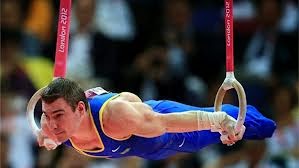
Some sports in which strength is important:
Weightlifting: to lift as much weight as you can.
Judo: to throw your opponent.
Climbing: you need to move your body weight up the mountain.
Athletics: to jump higher or longer and to throw the javelin or hammer.
There are three types of strength:
Maximum or maximal strength: to lift very heavy weights
Explosive strength: to do a movement as fast as we can, moving a small weight (javelin throwers, for example)
Strength Endurance: to do exercises with medium weights for a long time (in judo, combats last 4 minutes; rowers must move the boat for a long time also)
Benefits of developing your strength:
-You have more muscular power
Some examples of sports where speed is important:
When we talk about the speed to move from one place to another (running, biking or swimming), we call it a sprint.
Reaction speed: moving as fast as you can after the referee blows the whistle in a 100m sprint. In team sports there is also reaction speed: chasing your opponent when he runs away from you, or reacting to a volleyball spike quickly.
Speed of an isolated movement: e.g. a karate kick or a tennis service must be very quick.
Speed of combined movements: any sprint in running or swimming, a dribbling in football...
Benefits of speed training:
-Speed is basic in all sports.
-It is related with coordination and agility. If you react and move fast, you have an advantage in all sports.
-Speed training develops and makes your muscles grow.
Flexibility is very important in all sports, because with it, you have better performance and less injuries.

It is important for gymnasts, for hurdle runners or taekwondo fighters.
Flexibility depends on the joint range of movement and the stretching ability of the muscles around it.
Flexibility is the only physical ability that decreases as you get older.
LINK:
The components of fitness are: Strength, Speed,Stamina and Suppleness.
In
Spanish, we call them “Capacidades Físicas Básicas".
1.
Stamina or Endurance:
Stamina
is when we work for a long period of time, no matter the intensity.
For
example: cycling( Tour of France),running(marathon),swimming
1500m.
Aerobic
activity: Your
heart and lungs give your muscles plenty of oxigen, and you can do
exercise for long periods of time at a medium intensity. (marathon,
cycling..)
Anaerobic
activity: Your
muscles don´t have enough oxygen. These exercises are shorter but
have a very high intensity (400m, a handball attack).
2.Benefits of regular stamina training:
2.Benefits of regular stamina training:
-Your heart grows larger and thicker
-You
have more capillary.
-Your breathing capacity increases.
-Your breathing capacity increases.
-Its
is easier to maintain your ideal weight
Aerobic
Exercise is very good for your health. It develops your heart, your
lungs and your circulatory system.
2.
Strength:
Strength
is the ability to use muscles against a resistance.
With
it, you can move or lift weights, and you can move your body weight
easier.
Some sports in which strength is important:
Weightlifting: to lift as much weight as you can.
Judo: to throw your opponent.
Climbing: you need to move your body weight up the mountain.
Athletics: to jump higher or longer and to throw the javelin or hammer.
There are three types of strength:
Maximum or maximal strength: to lift very heavy weights
Explosive strength: to do a movement as fast as we can, moving a small weight (javelin throwers, for example)
Strength Endurance: to do exercises with medium weights for a long time (in judo, combats last 4 minutes; rowers must move the boat for a long time also)
Benefits of developing your strength:
-You have more muscular power
-Your
muscles and tendons grow in size.
-You can move weights easier (including your own body).
-You can move weights easier (including your own body).
-It
helps you keeping a good posture in daily life and sports
3.
Speed:Speed
is the ability to make one or more movements in a short period of time.
Some examples of sports where speed is important:
Fifty
meters swimmers, react quickly to the horn and swim very
fast.
Handball goalkeepers react very fast to stop balls.
Fencers must move fast to touch the opponent with their sword.

Handball goalkeepers react very fast to stop balls.
Fencers must move fast to touch the opponent with their sword.
When we talk about the speed to move from one place to another (running, biking or swimming), we call it a sprint.
Speed
means reacting quickly and moving fast.
So
you can find three types of speed:
Reaction speed: moving as fast as you can after the referee blows the whistle in a 100m sprint. In team sports there is also reaction speed: chasing your opponent when he runs away from you, or reacting to a volleyball spike quickly.
Speed of an isolated movement: e.g. a karate kick or a tennis service must be very quick.
Speed of combined movements: any sprint in running or swimming, a dribbling in football...
Benefits of speed training:
-Speed is basic in all sports.
-It is related with coordination and agility. If you react and move fast, you have an advantage in all sports.
-Speed training develops and makes your muscles grow.
4.
Suppleness or Flexibility:
Suppleness
is the ability to have a wide range of movement with any part of your
body. It is also called Flexibility.
Flexibility is very important in all sports, because with it, you have better performance and less injuries.

It is important for gymnasts, for hurdle runners or taekwondo fighters.
Flexibility depends on the joint range of movement and the stretching ability of the muscles around it.
Here
are two types of flexibility:
Dinamic
Flexibility: you
use it when you do wide, ample and relaxed movements.
Static Flexibility: you use it when you hold one position for some seconds. There is no movement. You must keep the position at least 15 or 20 seconds.
Static Flexibility: you use it when you hold one position for some seconds. There is no movement. You must keep the position at least 15 or 20 seconds.
Flexibility is the only physical ability that decreases as you get older.
You
need to spend a little time everyday to maintain it.
Benefits
of flexibility training:
-Your
range of movement in joints is bigger, so you can accelerate your
arms and legs for a longer distance. Then, you can kick, throw and
hit faster and stronger.
-You
have less injuries.
-Your
movements are not limited.
-Your
muscles are more elastic and more powerful.
LINK:
Juego on line sobre las cualidades físicas.
Las capacidades físicas. Autoevaluación. **Esta actividad es muy interesante ,ya que puedes repasar todo lo aprendido en clase. Muy útil para el examen.
Click here: Fitness homework 3ºESO
miércoles, 17 de octubre de 2012
SISTEMA MUSCULAR
Este curso vamos a repasar lo que trabajamos en primero de ESO y ,vamos a profundizar un poco más, relacionando los músculos con sus funciones. Vamos a aprender qué músculo interviene principalmente en un movimiento dado y también que posición hemos de adoptar si queremos estirar un músculo determinado.
Por ello, os recomiendo que repaséis previamente el apartado relacionado con este tema que aparece en 1ºESO. Hay actividades, imágenes y juegos muy interesantes.
Tras repasar los contenidos de 1º ESO y hacer las actividades de los dos enlaces inferiores, creo que es el momento de realizar la ficha de trabajo que os presento a continuación.
Este curso vamos a repasar lo que trabajamos en primero de ESO y ,vamos a profundizar un poco más, relacionando los músculos con sus funciones. Vamos a aprender qué músculo interviene principalmente en un movimiento dado y también que posición hemos de adoptar si queremos estirar un músculo determinado.
Por ello, os recomiendo que repaséis previamente el apartado relacionado con este tema que aparece en 1ºESO. Hay actividades, imágenes y juegos muy interesantes.
Tras repasar los contenidos de 1º ESO y hacer las actividades de los dos enlaces inferiores, creo que es el momento de realizar la ficha de trabajo que os presento a continuación.
lunes, 13 de febrero de 2012
lunes, 2 de mayo de 2011
Rules of Unihockey
UNIHOCKEY OR FLOORBALL.
1. History.
Unihockey originates from hockey, but it is a modern version.
There are many types of hockey.
a)Field hockey: It began at the end of the XIX century in Britain and its colonies (India and Pakistan) and it has been an Olympic sport since 1908.
b)Ice hockey: Originated in Canada at the end of XIX century and from there spread to the USA. It has been a winter Olympic since 1920.
Unihockey started as a variation of ice hockey.
c)Roller hockey: Started at the end of the XX century in Great Britain and became popular in many Latin countries.
Unihockey starts in the 50s in the USA as a variation of ice hockey. It was played with a puck instead of a ball that is used now. In the 70s it became very popular in Nordic countries, especially Sweden, and from the 80s, it has been an official sport.
2. RULES.
It can be played in teams of 4 or 6 players and there are different rules regarding the court.
a.Court.
It is like in handball, 40 x 20 metres with 10% extra around the outsides. There is a central line that divides the court in two halves and a central point where they start each period. The size of the goal zone is 5 x 4 m and the area is 2´5 x 1 m. The goal measure is 1´60 x 1´15 x 40/65.
Around the court there is a fifty centimetre high barrier called the RINK which stops the goal from going out of play and so the play is more continuous. There are other points on the court called “face off “, there are a total of six and they are 1.5 m from the barrier. Here you can restart the play.

b.Materials.
Sticks and ball are made of plastic and they have got holes. Their weight can not exceed 23 gr. You can hit the ball with both sides of the stick.
c.Length of the match.
The game is made up of three 20 minutes periods with 10 minutes break between them.
Time will only stop when:
- There is a goal.
- There is a time out.
- There is a penalty.
- When the referee says.
d.Teams.
Each team has got six players, including the goalkeeper. The team is made of 20 players and they can change at any time entering through the barrier.
e.Legal moves.
-You can hit the ball with any part of your stick.
-You can touch or stop the ball with your legs and feet, but not with your head or your upper body.
-You can pass the ball towards the stick using your foot, but not intentionally at another player or at the goalkeeper or have more than one touch.
-You can play using the barrier.
f.Illegal moves.
-Lift the stick above your waist if there are players near.
-You cannot go on the ground to play the ball.
-You cannot hit, block or interfere with the movements of the stick of your opponent.
-You cannot play inside the small area around the goal, but the stick can be inside as long as the feet of the players are outside.
-You cannot push another player with your shoulders.
-You cannot jump.
-The ball cannot be above knee height. You can not hit the ball with the knee or your leg although if it is unintentional it is allowed.
g.The goalkeeper.
-The goal keeper wears a helmet and special clothes and does not have a stick.
-He can touch the ball with any part of his body.
-If he goes out of the area he is considered as a field player, but without stick.
h.Fouls.
•Free pass: After every foul, the referee gives a free pass from the point where the foul was committed, except when ball goes past the goal. In this case, the pass is taken from the nearest “face off “point.
•Penalty: When there is an intentional foul to stop the goal the penalty is taken from the centre of the court. The player can touch the ball as many times as he likes. The other players cannot interfere.
i.Start.
To start the game put the ball in the centre and you will do a neutral start. One member from each group fights for the ball when the referee whistles. Each player stands in front of the opposite team with their feet perpendicular to the centre line. The sticks are held at the top and placed either sides of the ball without touching and perpendicular to the centre line. The player from the away team chooses with side of the ball to place the stick. The pass can go directly to goal and the rest of the players must be three metres apart, including sticks.
j.Restarting play.
When the goal goes out of the court, the game is restarted from the place where the ball went out and 1.5 metres from the side line.
The rest of the players must be three metres apart. You cannot score directly
Here you can watch a video.
World Floorball Campionship 2008 Final Sweden versus Finland
**Presentación sobre el floorball-unihockeyWORKSHEET: UNIHOCKEY. Deadline: Tuesday, 13 February- 3ºB y C
Monday, 12 February-3ºA
Name:....................................................................Group: ..............
Answer the questions:
1. Types of hockey.
2. When and where did Unihockey originate?
3. How many players are in a Unihockey team?
4. ¿Qué es el denominado "rink" en unihockey? ¿Para qué sirve?
5. True or false:
Correct the false answers.
When you play unihockey:
- The player can’t hit the ball with both sides of the stick:
- The players can’t stop the ball with their legs and feet:
- The players can pass the ball to other players using their feet:
- The player can’t play using the barrier:
6. Fill in the gaps:
The goalkeeper wears a h……. and special c………. and doesn’t use a s…..
The ball can’t be above the K……. height.
7.¿Cuántos jugadores juegan en un equipo de balonkorf? Explícalo detalladamente.
8.Explica cuando se realizan cambios de campo en balonkorf.
Explica tres acciones que no estén permitidas en balonkorf.
domingo, 13 de febrero de 2011
Volleyball rules
VOLLEYBALL
GAME CHARACTERISTICS:
Volleyball is a sport played by two teams on a playing court divided by a net.
The Object of the game is to send the ball over the net in order to ground it on the opponent’s court, and to prevent the same effort by the opponent.
The team has three hits for returning the ball (in addition to the block contact).
The ball is put in play with a service.
The rally continues until the ball is grounded on the playing court, goes “out” or a team fails to return it properly.
In Volleyball, the team winning a rally scores a point (Rally point system).
When the receiving team wins a rally, it gains a point and the right to serve, and its players rotate one position clockwise.
PLAYING AREA
The playing court is a rectangle measuring 18x9m surrounded by a free zone which is a minimum of 3 m wide on all sides.
On each court, an attack line, whose rear edge is drawn 3 m back from the axis of the centre line, marks the front zone.

HEIGHT OF THE NET
Placed vertically over the centre line there is a net whose top is set at the height of 2.43 for men and 2.24 for women.
TEAM COMPOSITION
A team may consist of a maximum of 12 players, one coach, one assistant coach, one trainer and one medical doctor.
TO SCORE A POINT
a) Point:
A team scores a point:
-by successfully grounding the ball on the opponents court
-when the opponent’s team commit a fault
b) Fault:
A team commits a fault by making a playing action contrary to the rules.
If two or more faults are committed successively, only the first one is counted. If two or more faults are committed by opponents simultaneously, a DOUBLE FAULT is called and the rally is replayed.
c) Consequences of winning a rally:
If the serving team wins a rally, it scores a point a continues to serve;
If the receiving team wins a rally, it scores a point and it must serve next.
TO WIN A SET
A set (except the deciding 5th set) is won by the team which first scores 25 points with a minimum lead of two points. In the case of a 24-24 tie, play is continued until a two point lead is achieved (24-26; 27-25;…)
TO WIN THE MATCH
The match is won by the team that wins three sets.
In the case of a 2-2 tie, the deciding set (the 5th) is played to 15 points with a minimum lead of two points.
POSITIONS
The positions of the players are numbered as follows:-The three players along the net are front- row players and occupy positions 4(front-left), 3(front-centre), 2(front-right).
-The other three are back-row players occupying position 5(back-left), 6(back centre) and 1(back-right).
*Relative positions between players:
Each back-row player must be positioned further back from the centre line than the corresponding front-row player.
The front-row players and the back-row players, respectively, must be positioned laterally in the order indicated in the rotation.
POSITIONAL FAULT
The team commits a positional fault, if any player is not in his/her correct position at the moment the ball is hit by the server.If the server commits a serving fault at the moment of the serving hit, the server’s fault is counted before a positional fault. But, if the service becomes faulty after the service hit, it is the positional fault that will be counted.
A positional fault leads to the following consequences:
The team is sanctioned with loss of rally;
Player’s positions are rectified
ROTATIONAL FAULT
A rotational fault is committed when the SERVICE is not made according to the rotational order. It leads to the following consequences:
- The team is sanctioned with a loss of rally;
- The players’ rotational order is rectified
Additionally, the scorer should determine the exact moment when the fault was committed and all the points scored by the team at fault must be cancelled.
The opponent’s points remain valid.
TEAM HITS
The team is entitled to a maximum of three hits (in addition to blocking) for returning the ball. If more are used, the team commits the fault of: “FOUR HITS”.
CONSECUTIVE CONTACTS
A player may not hit the ball two times consecutively except when blocking.
FAULTS IN PLAYING THE BALL
FOUR HITS: A team hits the ball four times before returning it.
ASSISTED HIT: A player takes support from a team-mate or any structure/object in order to reach the ball within the playing area.
CATCH: The ball is caught and/or thrown; it does not rebound from the hit.
DOUBLE CONTACT: A player hits the ball twice in succession or the ball contacts various parts of his/her body in succession.
BALL TOUCHING THE NET
While crossing the net, the ball may touch it, including when serving.
SERVICE
The service is the act of putting the ball into play, by the back right player, placed in the service zone.
FIRST SERVICE IN A SET
The first service of the first set, as well as that of the deciding set (the 5th) is executed by the team determined by the toss.
The other sets will be started with the service of the team that did not serve first in the previous set.
SERVICE ORDER
The players must follow the service order recorded on the line-up sheet.
After the first service in a set, the payer to serve is determined as follows:
When the serving team wins the rally, the player who served before, serves again.
When the receiving team wins the rally, it gains the right to serve and rotates before serving. The player who moves from the front right position to the back-right position will serve.
EXECUTATION OF THE SERVICE
The serve shall be hit with one hand or any part of the arm after being tossed or released from the hand(s)
Only one toss or release of the ball is allowed. Dribbling or moving the ball in the hands is permitted.
At the moment of the service hit or take-off for a jump service, the server must not touch the court (the end line included).
After the hit, he or she may step or land outside the service zone, or inside the court.
The server must hit the ball within 8 seconds after the first referee whistles for service.
A service executed before the referee’s whistle is cancelled and repeated.
FAULTS MADE DURING THE SERVING
The following faults lead to a change of service even if the opponent is out of position.
The server:
-Violates the service order
-does not execute the service properly
Faults after the service hit:
After the ball has been correctly hit, the service becomes a fault if the ball:
-touches a player of the serving team or fails to cross the vertical plane of the net
-goes out
-passes over a screen
BLOCK AND TEAM HITS
A block contact is not counted as a team hit. Consequently, after a block contact, a team is entitled to three hits to return the ball.
The first hit after the block may be executed by any player, including the one who has touched the ball during the block.
LINKS:
Presentación de VOLEIBOL
VÍDEOS
How to play volleyball
CLICK:
Closing Date:
3ºESO A: Wednesday, 5th of June.
martes, 1 de febrero de 2011
Basketball rules.
RULES OF BASKETBALL. GROUP: 3ºESO.
It is a rectangle of 28m long and 15m wide .

Every team can have two time-outs in any moment during the first half of the match (first and second period), and three time-outs in any moment of the second half (third and fourth period).And,an extra time for each period of overtime of 5 minutes.
The goal of this time is the comunication between coach and players. This time-out is one minute long.
The attack rally cannot be longer than 24 seconds.
Players have got::
a) 8 seconds to cross from the backcourt to the frontcourt.
b) 5 seconds to play the ball or to put the ball in play from the lines and to shoot a free throw.
c) No more than 3 seconds to stay inside the opponent restricting area.
d) 5 seconds to start bouncing, passing or throwing.
If the score is tied at the end of normal play (after the fourth period), the game shall continue with as many extra periods of five (5) minutes as is necessary to break the tie.
You can get one, two or three points, depending on the place you are when throwing the ball.
A goal from a free throw scores one (1) point.
A goal from the two-point field goal area scores two (2) points.
A goal from the three-point field goal area scores three (3) points
There are five players playing in each team and regarding their functions they are called: centre (pivot), forward(alero), guard(escolta), point guard (base).
5. Fouls, throw-in and penalisations.
We must distinguish between foul and violation.
VIOLATION: A violation is an infraction of the rules such as: walking or travelling,double dribble, carrying, backcourt...
-Travelling: Taking more than two steps without dribbling the ball, and moving your pivot foot once you have stopped dribbling.
-Carrying:When the player dribbles the ball with his hand too far to the side, or sometimes, even under the ball.
-Double dribble: Dribbling the ball with both hands on the ball at the same time or picking up the dribble and then dribbling again.
-Over and back: Once the offence has brought the ball across the mid-court line, they cannot go back across the line during possesion. If they do, the ball is awarded to the other team.
FOUL:A foul is an infraction of the rules concerning illegal personal contact with an opponent and/or unsportsmanlike behaviour.
Each foul shall be charged, entered on the score sheet against the offender and penalised.
The ball shall be awarded to the opponents for a throw-in at the place nearest to the infraction, except directly behind the backboard.
A player who has committed five (5) fouls, personal and/or technical, shall be informed by an official and must leave the game immediately. He must be substituted within thirty (30) seconds.
If the foul is committed while the player is throwing,the player is rewarded to throw two or three times, depending on the place the player was throwing the ball before the foul.
A team is in a team foul penalty situation when it has committed four (4) team fouls in a period.When a team is in a team foul penalty situation, all subsequent player personal fouls committed on a player not in the act of shooting shall be penalised by two (2) free throws, instead of a throw-in.
a.Jump ball: The first period begins when the ball leaves the hand(s) of the referee on the jump ball. A jump ball occurs when an official tosses the ball in the centre circle between any two (2) opponents at the beginning of the first period.
Each jumper shall stand with both feet inside the half of the centre circle nearest to his team’s own basket with one foot close to the centre line.
Team-mates may not occupy adjacent positions around the circle if an opponent wishes to occupy one of those positions
.The ball must be tapped with the hand(s) of at least one of the jumpers after it reaches its highest point.
Neither jumper shall leave his position until the ball has been legally tapped.
Neither jumper may catch the ball or tap it more than twice until it has touched one of the non-jumpers or the floor.
b. Back line: It is made after making a basket or when the ball goes out at this point line.
c. Throw-in: The player shall take the throw-in at the place nearest to the infraction or where the game was stopped by the official, except directly behind the backboard.
At the beginning of all periods other than the first period, the throw-in is made.
You have five seconds to take the throw-in and you cannot step the line.
d.Central jump: It is made when players make the ball return to the backcourt, technical foul ,and intentional foul .
e.Referee:A held ball occurs when one or more players of each opposing team have one or both hands firmly on the ball so that neither player can gain control without undue roughness. It is made in the closest circle.
You can take a maximum of two steps without bouncing as long as the ball is in the air or players are running.
You are not allowed to make contact with an opponent if you get an advantage using your body.
VOCABULARY:
Foul: Falta time-outs: Tiempo muerto
Free throw: Tiro libre overtime: prórroga
goal: objetivo closest: más cercano
throw-in: saque de banda court: pista
over and back: campo atrás
The shooter has a maximum of 5 seconds to throw the ball.
Players next to the free-throw line are allowed alternating positions.
Players cannot enter the restricted zone until the ball has been thrown.
The other players must be behind the 3 points area until the ball touches the rim.

LINKS:
Basketball videos
1. Court.
It is a rectangle of 28m long and 15m wide .
2.Duration:
The match is divided into four periods of 10 minutes with stop watch and there is a break of 2 minutes between the first and the second period, and then between the third and fourth. There is also a break of 15 minutes after the first half (after the second period).Every team can have two time-outs in any moment during the first half of the match (first and second period), and three time-outs in any moment of the second half (third and fourth period).And,an extra time for each period of overtime of 5 minutes.
The goal of this time is the comunication between coach and players. This time-out is one minute long.
The attack rally cannot be longer than 24 seconds.
Players have got::
a) 8 seconds to cross from the backcourt to the frontcourt.
b) 5 seconds to play the ball or to put the ball in play from the lines and to shoot a free throw.
c) No more than 3 seconds to stay inside the opponent restricting area.
d) 5 seconds to start bouncing, passing or throwing.
If the score is tied at the end of normal play (after the fourth period), the game shall continue with as many extra periods of five (5) minutes as is necessary to break the tie.
3. Scoring system.
You can get one, two or three points, depending on the place you are when throwing the ball.
A goal from a free throw scores one (1) point.
A goal from the two-point field goal area scores two (2) points.
A goal from the three-point field goal area scores three (3) points
4. Players and specific functions.
Basketball is played by two (2) teams of five (5) players. The aim of each team is to score in the opponents' basket and to prevent the other team from scoring.There are five players playing in each team and regarding their functions they are called: centre (pivot), forward(alero), guard(escolta), point guard (base).
We must distinguish between foul and violation.
VIOLATION: A violation is an infraction of the rules such as: walking or travelling,double dribble, carrying, backcourt...
-Travelling: Taking more than two steps without dribbling the ball, and moving your pivot foot once you have stopped dribbling.
-Carrying:When the player dribbles the ball with his hand too far to the side, or sometimes, even under the ball.
-Double dribble: Dribbling the ball with both hands on the ball at the same time or picking up the dribble and then dribbling again.
-Over and back: Once the offence has brought the ball across the mid-court line, they cannot go back across the line during possesion. If they do, the ball is awarded to the other team.
FOUL:A foul is an infraction of the rules concerning illegal personal contact with an opponent and/or unsportsmanlike behaviour.
Each foul shall be charged, entered on the score sheet against the offender and penalised.
The ball shall be awarded to the opponents for a throw-in at the place nearest to the infraction, except directly behind the backboard.
A player who has committed five (5) fouls, personal and/or technical, shall be informed by an official and must leave the game immediately. He must be substituted within thirty (30) seconds.
If the foul is committed while the player is throwing,the player is rewarded to throw two or three times, depending on the place the player was throwing the ball before the foul.
A team is in a team foul penalty situation when it has committed four (4) team fouls in a period.When a team is in a team foul penalty situation, all subsequent player personal fouls committed on a player not in the act of shooting shall be penalised by two (2) free throws, instead of a throw-in.
6. Throws.
a.Jump ball: The first period begins when the ball leaves the hand(s) of the referee on the jump ball. A jump ball occurs when an official tosses the ball in the centre circle between any two (2) opponents at the beginning of the first period.
Each jumper shall stand with both feet inside the half of the centre circle nearest to his team’s own basket with one foot close to the centre line.
Team-mates may not occupy adjacent positions around the circle if an opponent wishes to occupy one of those positions
.The ball must be tapped with the hand(s) of at least one of the jumpers after it reaches its highest point.
Neither jumper shall leave his position until the ball has been legally tapped.
Neither jumper may catch the ball or tap it more than twice until it has touched one of the non-jumpers or the floor.
b. Back line: It is made after making a basket or when the ball goes out at this point line.
c. Throw-in: The player shall take the throw-in at the place nearest to the infraction or where the game was stopped by the official, except directly behind the backboard.
At the beginning of all periods other than the first period, the throw-in is made.
You have five seconds to take the throw-in and you cannot step the line.
d.Central jump: It is made when players make the ball return to the backcourt, technical foul ,and intentional foul .
e.Referee:A held ball occurs when one or more players of each opposing team have one or both hands firmly on the ball so that neither player can gain control without undue roughness. It is made in the closest circle.
7. The game:
The team with most points wins.You can take a maximum of two steps without bouncing as long as the ball is in the air or players are running.
You are not allowed to make contact with an opponent if you get an advantage using your body.
VOCABULARY:
Foul: Falta time-outs: Tiempo muerto
Free throw: Tiro libre overtime: prórroga
goal: objetivo closest: más cercano
throw-in: saque de banda court: pista
over and back: campo atrás
8.Free throw
A free throw is an opportunity given to a player to score.The shooter has a maximum of 5 seconds to throw the ball.
Players next to the free-throw line are allowed alternating positions.
Players cannot enter the restricted zone until the ball has been thrown.
The other players must be behind the 3 points area until the ball touches the rim.
Basketball videos
PRESENTACIÓN SOBRE BALONCESTO
BALONCESTO BÁSICO:JUEGO ON LINE
VÍDEOS:
Top 10 All time Michael jORDAN:
Click here: Homework:Basketball rules ,3ºESO
HOMEWORK: BASKETBALL RULES. GROUP: 3ºESO.
BALONCESTO BÁSICO:JUEGO ON LINE
VÍDEOS:
Top 10 All time Michael jORDAN:
Click here: Homework:Basketball rules ,3ºESO
HOMEWORK: BASKETBALL RULES. GROUP: 3ºESO.
* Don't use short answers
Name: …................................................................................................
1.Draw the basketball court with its measures.
2.In basketball, when is a team awarded a "free throw"?
3.How many periods are there in a basketball court and duration?
4.What is the difference between foul and violation?
5.Explain backcourt or over and back violation.
6.Write the name of the players regarding their functions.
7.A basketball shot made with one hand from a position under or beside the basket (and usually banked off the backboard):
a. Airball b. Lay-up c.Dribble d. Alley oop.
8.Draw the positions of the players during the free throw.
9.How many players per team play during a basketball match?
10.The act of securing possession of the rebounding basketball after a missed shot:
a. Rebound b. Alley oop c. Jump ball d. Travelling.
Suscribirse a:
Entradas (Atom)